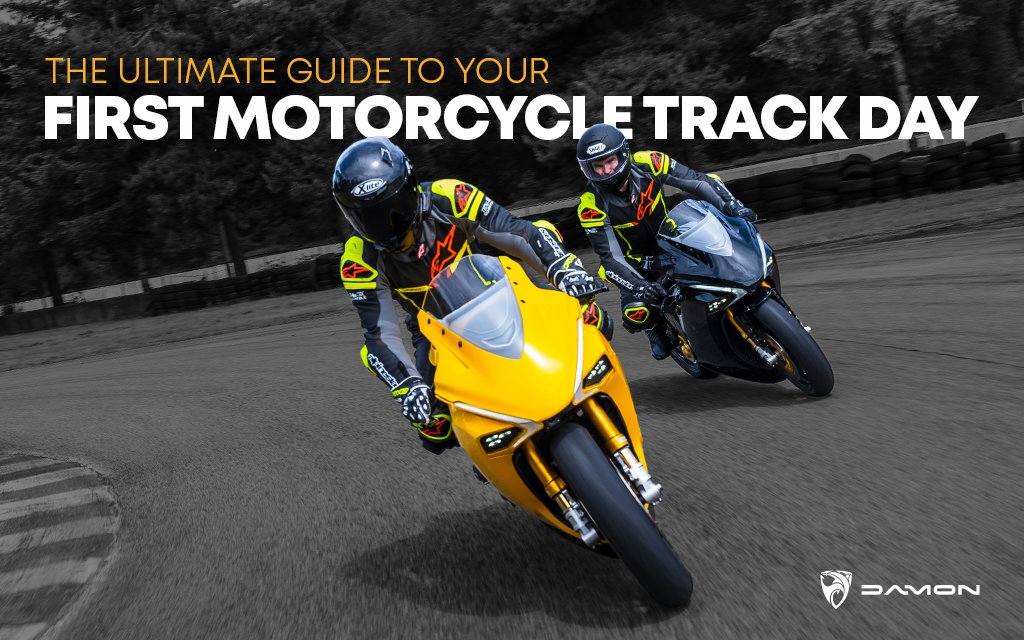
Your first motorcycle track day is a milestone that transforms how you ride. Unlike street riding, the track offers a controlled environment where you can explore your bike's limits and your own skills without traffic, speed limits, or unexpected hazards. But stepping onto the circuit unprepared can be expensive, intimidating, or even dangerous. This guide walks you through every detail--from bike prep to gear requirements, session structure, and real costs--so you arrive confident and ready to learn.
According to the Motorcycle Safety Foundation, riders who participate in at least one track day per year reduce their street accident involvement by 40% due to improved hazard perception and bike control skills.
1. Bike Preparation Checklist: What to Inspect Before You Roll
Your motorcycle needs to be in peak mechanical condition for track use. Track organizations enforce a strict tech inspection, and failing it means you don't ride. More importantly, proper preparation prevents mechanical failures at high speed.
Tire Pressures. Street tire pressures (typically 36-42 psi) are too high for track grip. Start with manufacturer-recommended track pressures: usually 30-32 psi front, 28-30 psi rear for sport tires. Check pressures cold, then adjust after your first session as heat builds. Bring a quality digital gauge--gas station gauges are unreliable. If you're using DOT race tires, pressures drop to 26-28 psi front and 24-26 psi rear. Under-inflated tires overheat and slide; over-inflated tires lose contact patch and feel vague.
Chain Tension and Lubrication. A loose chain can derail at speed, locking your rear wheel. Adjust to manufacturer spec (usually 1-1.5 inches of slack at the tightest point). Clean and lubricate the chain the night before--fresh lube flings off quickly, so apply sparingly and wipe excess. Bring chain lube and a rag to reapply between sessions. A dry or tight chain creates friction that robs power and wears sprockets.
Brake Pads and Fluid. Check pad thickness--you need at least 3mm of material remaining. Sintered or semi-metallic pads handle track heat better than organic pads. Bleed brake fluid if it's more than six months old or looks dark. Use DOT 4 or 5.1 fluid with a minimum wet boiling point of 500°F. Spongy brakes at 120 mph are terrifying. Replace fluid with fresh Motul RBF 600 or Castrol SRF for consistent lever feel.
Fluid Levels. Top off engine oil to the full mark--track riding consumes more oil due to sustained high RPM. Check coolant level and ensure no leaks. Remove or tape over your coolant reservoir cap if required by the track organization (some require taping to prevent spillage in a crash). Also check fork oil seals for weeping--leaking fork oil on brakes is a tech inspection fail.
Additional Checks. Tighten all bolts: clip-ons, rearsets, brake calipers, and axle nuts. Remove or secure loose items like saddlebags, mirrors, and license plate brackets. Tape over headlights and taillights with painter's tape (not duct tape--it leaves residue). Disable turn signals or remove them. Ensure your kill switch and sidestand switch function properly.
2. Gear Requirements: What Track Organizations Mandate
Track day providers enforce specific safety gear standards. Showing up with improper gear means you watch from the stands. Here's exactly what you need.
Helmet Certification. Your helmet must be DOT, ECE 22.05/22.06, or Snell M2020/M2025 certified. Full-face only--no modular, open-face, or half helmets. The shell must be free of cracks, deep scratches, or impact damage. Visors must be clear or light smoke; dark smoke or mirrored visors are banned unless you have a clear spare. Bring a tear-off kit or anti-fog spray--your visor will fog between sessions. If your helmet is more than five years old, replace it. EPS foam degrades even without visible damage.
Leather Suit Specifications. One-piece or two-piece suits with a full 360-degree zipper connecting jacket and pants are required. Textile suits are not allowed at most organizations. Leather thickness should be 1.2-1.4mm minimum. Suits must have CE-approved armor in shoulders, elbows, knees, and back. A separate back protector (Level 1 or Level 2) is mandatory--many suits come with a foam pad that isn't sufficient. Buy a dedicated CE Level 2 back protector like the Alpinestars Bionic or Dainese Wave. Suits should fit snugly without restricting movement. Loose leather bunches up and slides in a crash, exposing skin.
Gloves. Full-length gauntlet gloves that cover your jacket sleeve. Short cuff gloves are not permitted. Look for gloves with hard knuckle protection, palm sliders, and a wrist closure strap. Leather construction with Kevlar stitching is standard. Avoid gloves with mesh panels--they disintegrate on asphalt. Brands like Held, Racer, and Five make track-specific gloves with kangaroo leather for feel and abrasion resistance.
Boots. Over-the-ankle boots with rigid ankle protection, toe sliders, and non-slip soles. Street riding boots or work boots are not acceptable. Racing boots from Alpinestars, Dainese, or Sidi provide torsion protection for your ankle in a crash. Ensure boots fit over your leather pant legs, not inside them. Bring a spare pair of socks--boots get hot and sweaty.
Additional Gear. A back protector (as noted), earplugs (wind noise at 100+ mph damages hearing), and a hydration system or water bottle. Some organizations require a chest protector. Check your provider's website for specific rules. Bring a rain suit if there's any chance of wet weather--most track days run rain or shine.
3. What to Expect: Registration, Tech Inspection, Riders' Meeting, and Session Format
Understanding the flow of a track day eliminates anxiety and helps you focus on riding.
Registration and Check-In. Arrive at least one hour before gates open. Check in at the registration desk, sign waivers, and receive your wristband and rider number. Have your membership (if required) and payment ready. Some organizations require pre-registration online; walk-ups may be turned away. Bring your motorcycle registration and insurance card--some tracks verify ownership.
Tech Inspection. Roll your bike to the tech line. An inspector will check: tire tread depth (minimum 2mm), tire condition (no cords showing, no dry rot), brake pad thickness, fluid levels, throttle return action, steering head bearings (no notches), chain condition, and that all lights are taped or disabled. They'll also verify your gear. If you fail, you can fix minor issues on-site (e.g., add chain lube, adjust pressure) but major failures (worn tires, leaking forks) mean no riding. Pass tech and you get a sticker on your windscreen or number plate.
Riders' Meeting. Mandatory for all participants. The chief instructor covers: track layout (corners, braking zones, passing rules), flag colors and meanings (yellow = caution, red = session stopped, black = return to pits, checkered = session end), session format, and emergency procedures. Passing rules vary: novice groups allow only straight-line passing with a point-by; intermediate and advanced allow corner passing with a point-by. Listen carefully--ignoring rules gets you black-flagged and ejected. Ask questions if anything is unclear.
Session Format. Most track days run a 20-minute session rotation: Group A rides, then Group B, then Group C, repeat. You get 20 minutes on track followed by 40 minutes in the pits. Use pit time to: cool down, hydrate, adjust tire pressures, check chain tension, and review notes. Novice groups often include a classroom session between track sessions. Some organizations offer lead-follow sessions where an instructor rides ahead and you follow their line. Take advantage of this--it's the fastest way to learn.
On-Track Etiquette. Enter the track at pit exit smoothly, not accelerating hard until you're on the racing surface. Warm-up lap: ride at 60% pace to get heat in tires and learn the surface. Do not brake hard or lean aggressively on cold tires. If you crash, stay down until corner workers arrive--do not stand up on a live track. If your bike stalls, pull off the racing line and wait for assistance. Never ride backward on the track.
4. Cost Breakdown: What You'll Actually Spend
Track days are an investment. Here's a realistic budget for a single day at a typical US circuit like Thunderhill, Barber, or COTA.
Track Fees. $150-$400 depending on the track and organization. Popular tracks like Laguna Seca or Road Atlanta cost $300-$400. Smaller regional tracks run $150-$250. Some organizations offer discounts for early registration or multi-day packages. Novice groups sometimes cost less because they include instruction. Budget $250 as a baseline.
Tire Wear. A set of sport tires (e.g., Pirelli Diablo Rosso IV, Michelin Power 5) costs $350-$500 and lasts 3-5 track days depending on pace. Per day: $70-$170. If you're riding on street tires, expect accelerated wear--rear tires can square off in one day if you're aggressive. DOT race tires (Pirelli Supercorsa SC, Dunlop Q5S) cost $500-$700 per set and last 2-3 days. Factor tire costs into your budget.
Fuel. Track riding consumes 50-100% more fuel than street riding. A 600cc sportbike uses about 4-6 gallons per day; a literbike uses 6-8 gallons. At $5/gallon, that's $20-$40. Premium fuel only. Some tracks have on-site pumps; others require you to bring gas cans. Plan accordingly.
Insurance. Standard motorcycle insurance does not cover track riding. You need a track day insurance policy from providers like Riders Insurance or Foremost. Cost: $100-$200 per day for a bike valued at $10,000-$15,000. Deductibles are typically 10-15% of the bike's value. Some riders self-insure (accept the risk), but one crash can total your bike. If you're financing, check with your lender--some prohibit track use.
Optional Coaching. Novice groups include basic instruction, but one-on-one coaching accelerates learning. A half-day session with a certified coach costs $150-$300. Full-day coaching: $300-$600. Coaches ride behind you, video your sessions, and provide corner-by-corner feedback. Worth it if you want to improve quickly.
Additional Costs. Food and drinks at the track ($20-$40), spare parts (brake pads $50-$100, chain lube $10, tape $5), and lodging if the track is far from home ($100-$200 per night). Total for a single day: $500-$1,200. A weekend with coaching and lodging: $1,000-$2,000.
Money-Saving Tips. Share a pit with a friend to split costs. Buy used race take-off tires from fast riders--they often have 50% life left for $100. Pack your own food and water. Pre-register for discounts. Join a local track day club for reduced rates. And remember: the skills you learn transfer directly to street riding, making you safer every time you ride.